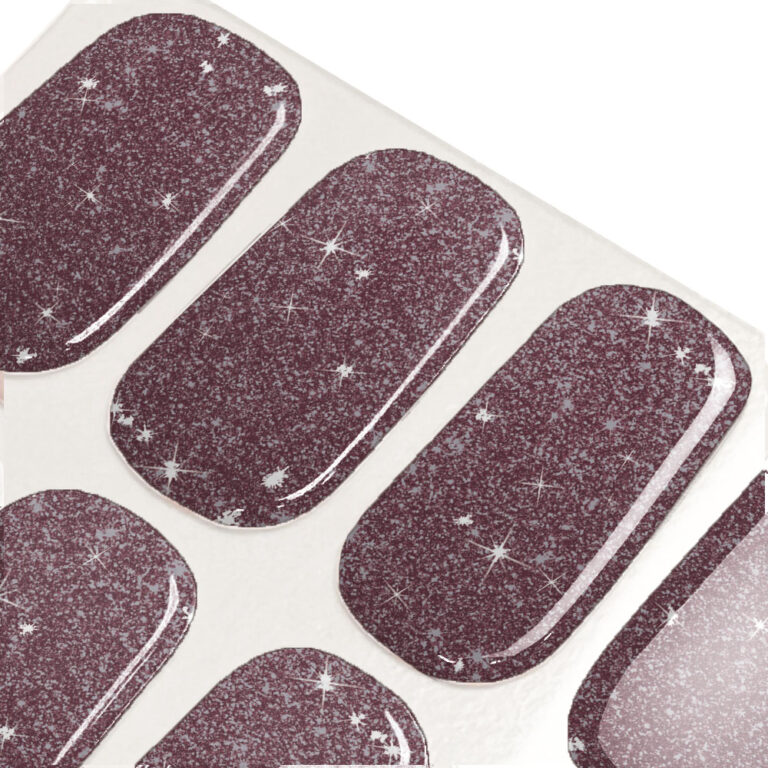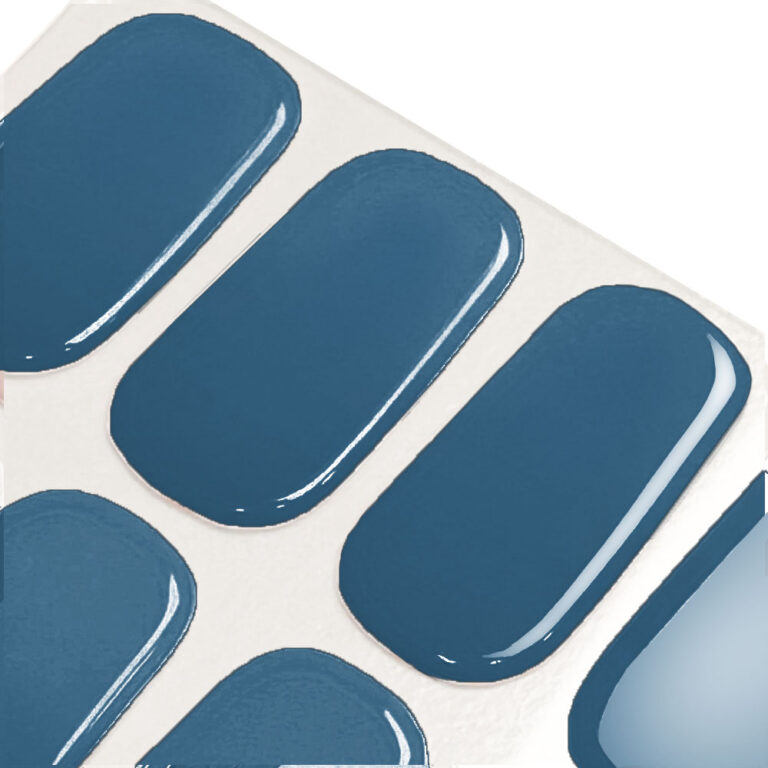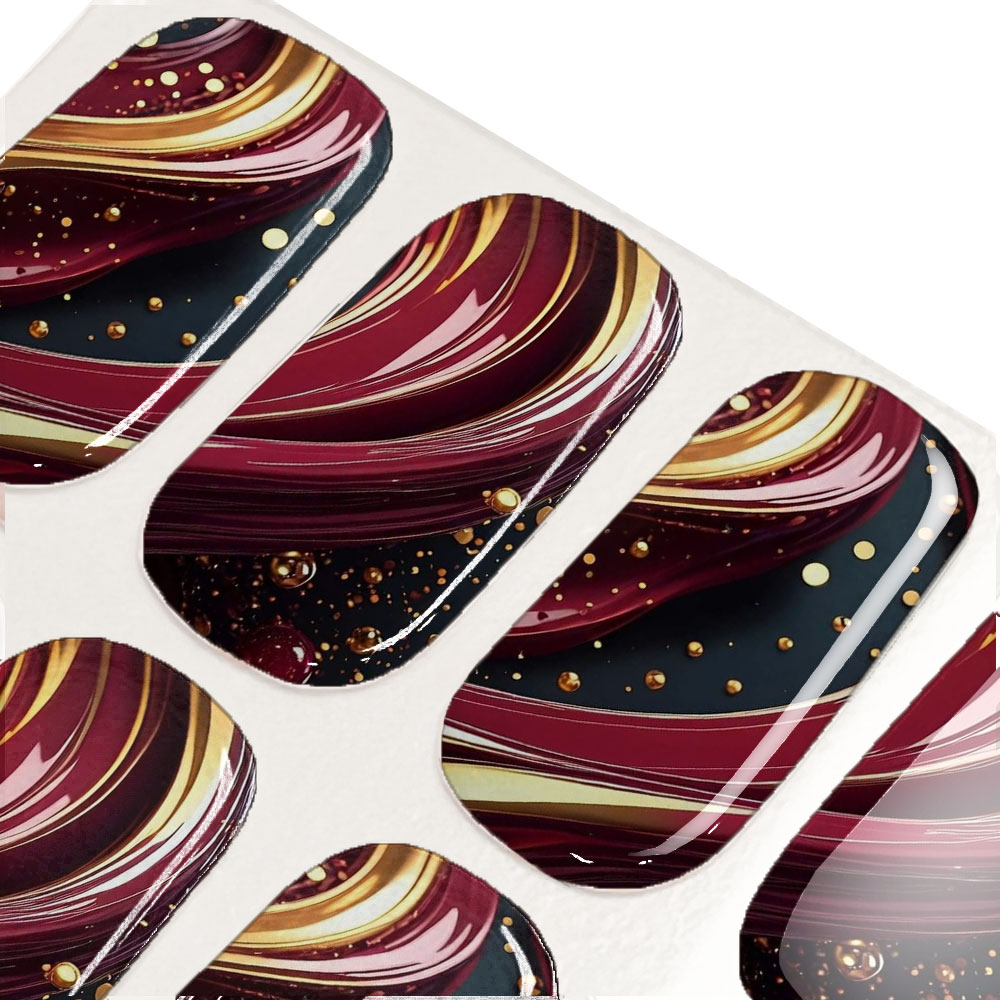
Before you go —
we send free sample boxes to businesses evaluating our strips.
No minimum. No obligation. Just try them on real nails.
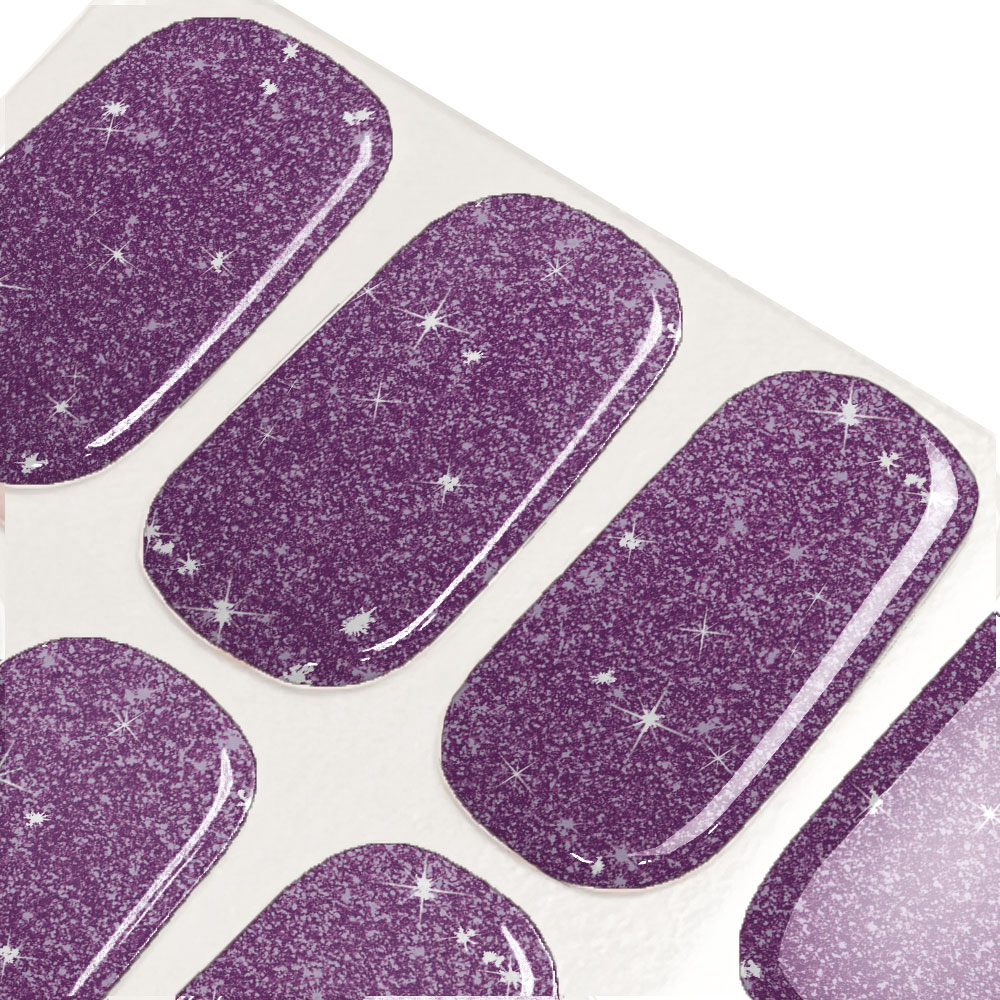
When customers report strips coming away at the edges, the instinct is to blame the product. In practice, lifting usually comes from preparation and application. Here is what to check, in order.
Oil is the enemy of adhesion. The nail must be wiped with the prep pad in the box immediately before application, and not touched afterwards.
Strips need bare nail to bond to. Gently push back the cuticle before applying; leaving a rim of cuticle under the strip guarantees lifting at the base.
A strip that does not reach the sidewalls will peel. Choose the size that covers the nail edge to edge — if it overlaps the skin slightly, file it down with a downward motion, never back and forth.
Fold the strip over the free edge and file off. If the tip is left as a hard open edge, it catches on everything and starts lifting within a day.
Semi-cured strips need about 60 seconds under a UV or LED lamp, and the whole strip needs to be under the light — corners included. In a salon, cure each hand separately rather than both at once if the lamp is small.
If preparation is right and strips still lift for most customers, the strip itself is probably over-cured. Ask your supplier for the cure percentage. A properly semi-cured strip stays flexible out of the box.
If you are evaluating suppliers and want to test a strip that behaves correctly, request a free sample box and try it for two weeks.