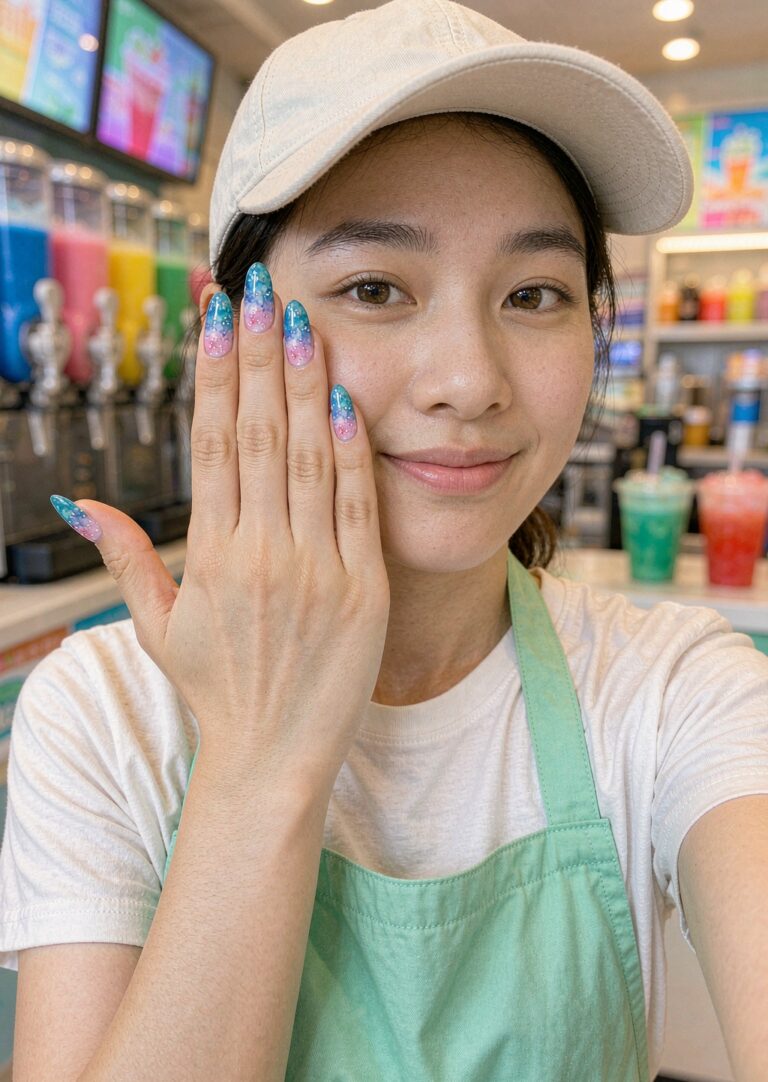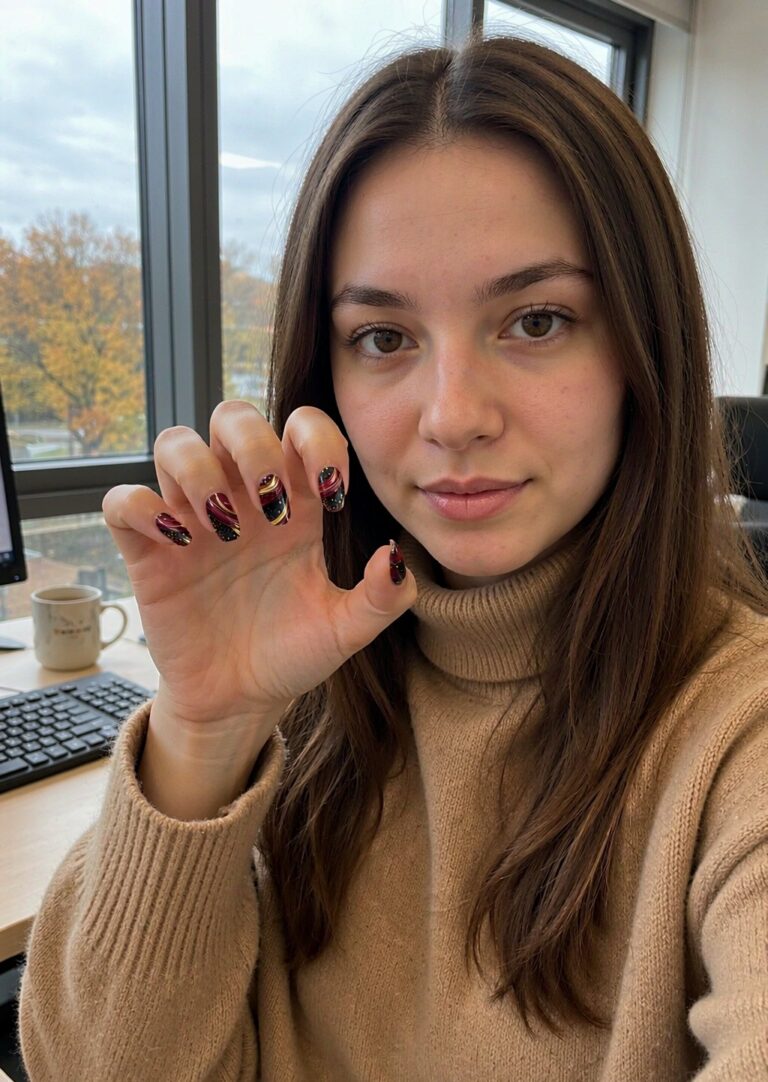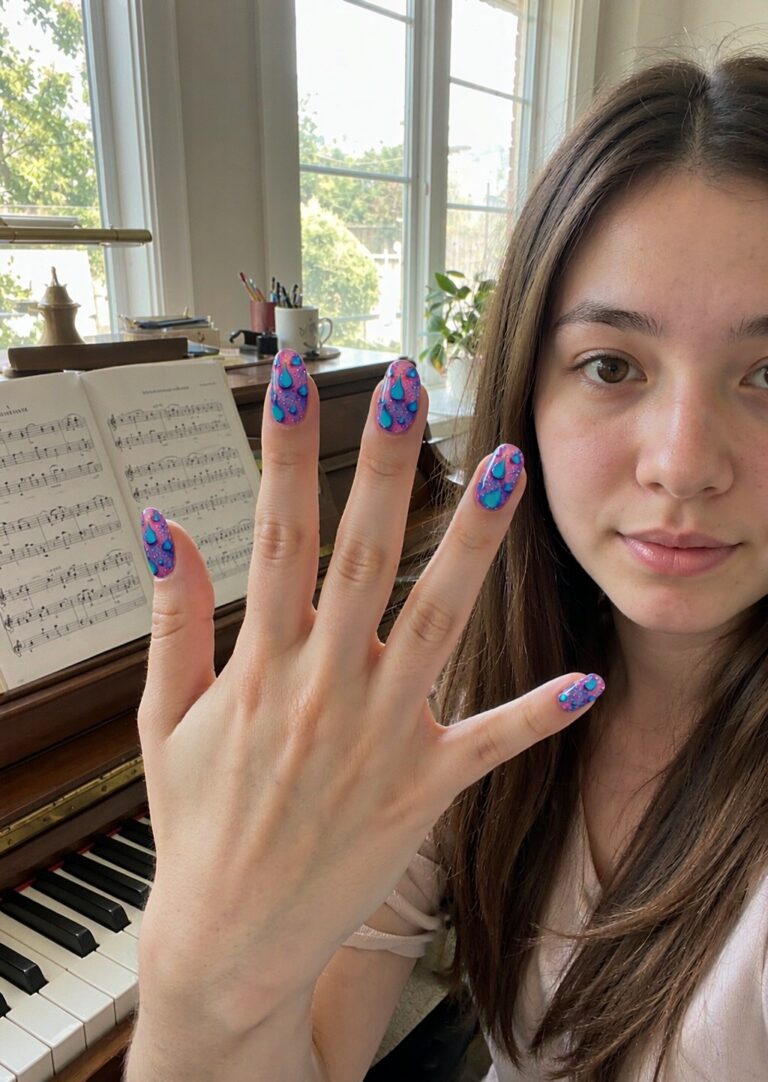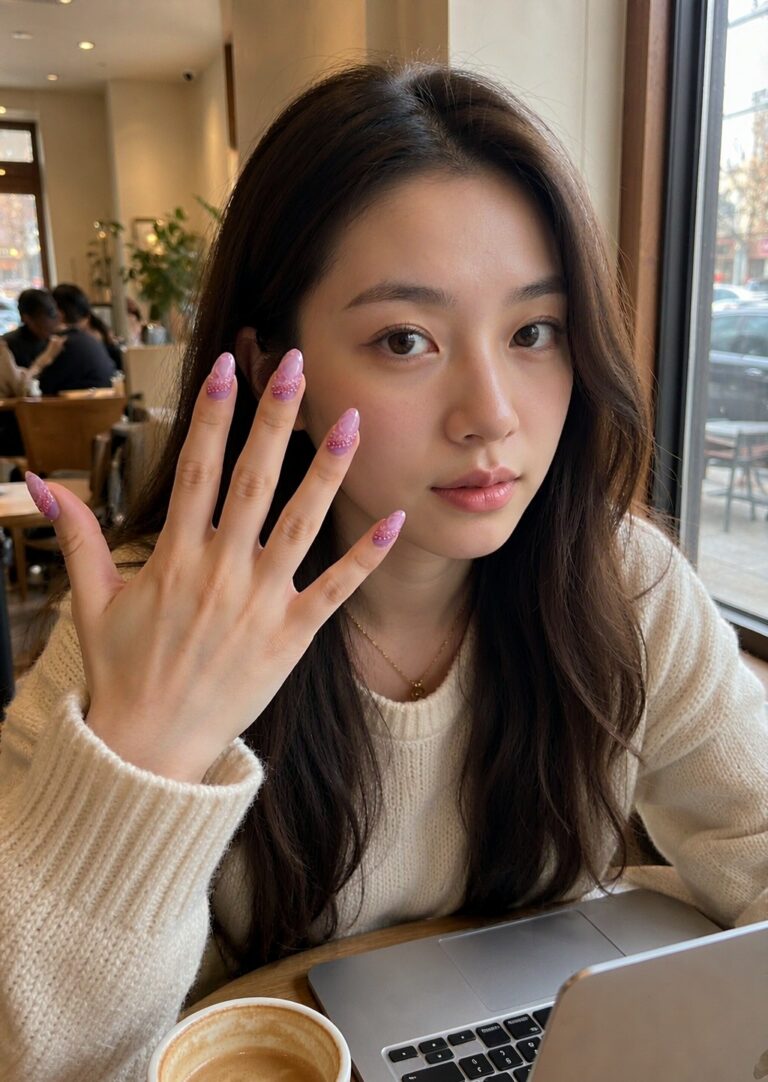
Before you go —
we send free sample boxes to businesses evaluating our strips.
No minimum. No obligation. Just try them on real nails.
I sell a box of gel nail strips for $5.99. My invoice from the factory says $0.89.
I’ve never said that out loud before — margins are supposed to be a secret. But I remember being on the other side of this search, digging through page after page of supplier listings trying to figure out which semi-cured gel factory wouldn’t burn me. So this is the post I wish I’d found. If you sell nails, or you’ve been quietly thinking about starting, here’s the honest math and the honest mistakes.
I started with the supplier everyone starts with. Decent designs, photos looked great. Then the reviews came in — and if you read one-star reviews across this whole category, you’ll see the same three sentences over and over:
Every refund I issued was a customer who never came back. Here’s what I learned the hard way: those aren’t application problems. They’re formula problems. Not enough initial tack in the adhesive, a gel layer that stays soft after a quick cure, edges that never quite seal — then water finds the gap and the whole strip lets go. One big brand’s own FAQ quietly admits it: they call choosing a too-large size “the biggest culprit” behind early lifting, and they warn customers not to trim their cured strips with scissors because the hardened nail cracks.
The factory I source from now has been making gel nail strips since 2017 — and they’re the ones behind more than ten online nail retailers that grew past a million dollars a year in revenue. When I asked why their strips don’t peel off like everyone else’s, the answer was one word: tempered.
Same idea as tempered glass. Their semi-cured UV gel formula is tempered during formulation, so when a strip finishes curing under the lamp, you don’t just get shine — you get a layer that’s genuinely hard, scratch-resistant and impact-tough. And because the strips are trimmed before they cure, the “scissors will crack it” rule doesn’t apply here — rough-cut with scissors, then 60 seconds under the lamp. Medical-grade adhesive on the back takes care of the tack problem, 24 strips in mixed sizes takes care of the sizing problem, and no top coat is required — the gloss is still there on week four.
That winter, the “they popped off after I washed my hands” complaints went to zero. My refund rate followed.
Here’s the thing nobody talks about: complicated prep kills repeat sales. My old supplier’s instructions were a whole ritual — trim, file, push cuticles, alcohol wipe, wooden stick, the works. Customers skipped steps, strips lifted, one-star review.
My current stock is genuinely dumber-simple, and it holds anyway:
No base coat, no top coat, no ceremony, no drying time. Fewer steps means fewer ways for a beginner to mess it up — which means fewer support tickets for me. The most common review I get now is “I can’t believe this was my first time.”
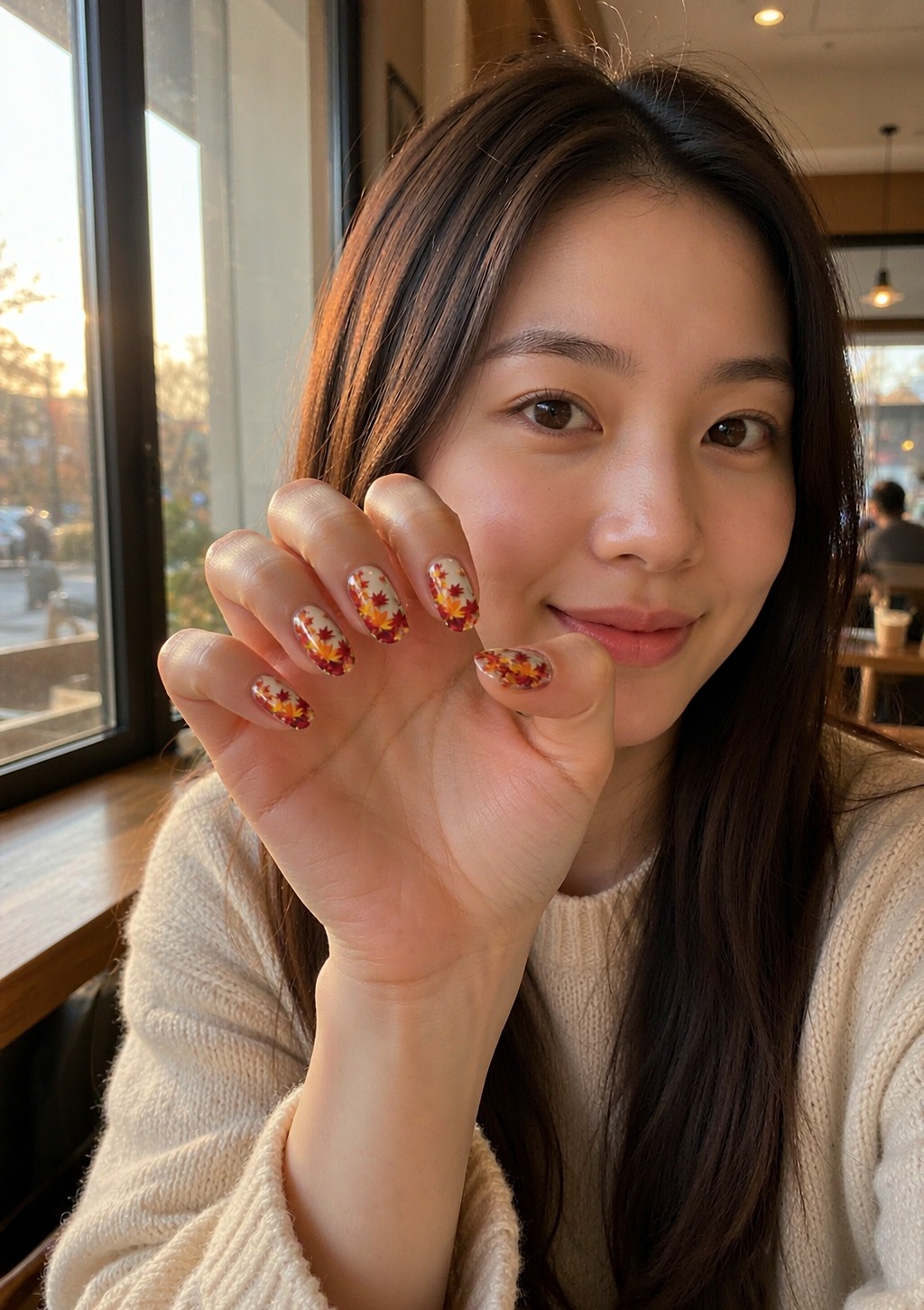
It’s called Autumn Maple — scarlet and amber maple leaves drifting across a soft cream background, with that glossy 3D gel dome you can see in a photo. Twenty-four strips in mixed sizes, so one box fits every nail on a hand instead of leaving you with six unusable widths. It cures rock-hard in 60 seconds under a UV/LED lamp, and it wears three to four weeks.
Every year it’s the same story: I list it in late September, it’s my number one seller by the second week of October, and my reorder email says one line — “first: Autumn Maple.” Fall nails are the one season where customers buy on emotion instead of price, and leaf prints are the design they screenshot.
If maple isn’t your thing, the same factory does Amber Leaf — the warmer, honey-toned cousin, same 24-strip box, same 60-second cure. I run them as a pair all season; about a third of my October carts end up with both.
This is the part you’re here for, so let’s be specific:
| My shop | |
|---|---|
| Retail price | $5.99/box |
| Factory cost (24-strip edition) | $0.89/box |
| Gross margin per box | ~85% |
| Starting order | 20 boxes per design |
Twenty boxes per design. That’s the number that let me test the water without betting the rent — I started with three designs, sold out of the autumn one in eleven days, and reordered the same week. And “designs” undersells it: the catalog runs past a thousand options — solids, glitters, gradients, hot-foil, cat-eye — and if you want your own brand on the box, they do OEM and private label, including the design work, without charging a design fee.
One more boring-but-crucial thing for anyone selling on Amazon, Etsy, or into the EU: they hand over SGS test reports, MSDS and packaging compliance documents. My first supplier went silent when I asked for SDS paperwork. This one sends it before I finish asking. If you’ve ever had a listing frozen mid-December, you know what that’s worth.
So you trust the rest: (1) your customers need a UV/LED lamp — I bundle a cheap one and it’s become an upsell, but it’s still an extra step in your product education; (2) 20 boxes per design is the floor, not 2 — if you want to dabble with zero inventory risk, this isn’t that; (3) popular designs do run out between my restocks, which is a good problem but still a problem.
Pick one seasonal design, buy the minimum, and shoot it on your own hand in daylight — that photo is still the highest-converting asset I own. The Autumn Maple page shows the full sheet, the mixed sizes and the current factory price, and the $0.89 isn’t a typo. Start with 20 boxes like I did.
Worst case, you’ve got the best nails of anyone you know. Best case, you’re writing a version of this post in two years.
Wholesale and OEM enquiries: semi-cured.com — product pages linked above, inquiry form on site.